ryze began as a credit score app, a simple way for users to understand their financial health and track what affected their score.
Over time, the product vision expanded beyond credit monitoring. Users needed more than insights; they needed tools to act on those insights.
this led to Ryze One, a full-fledged banking suite combining credit health, spending, savings, credit building, and money management into one connected ecosystem.
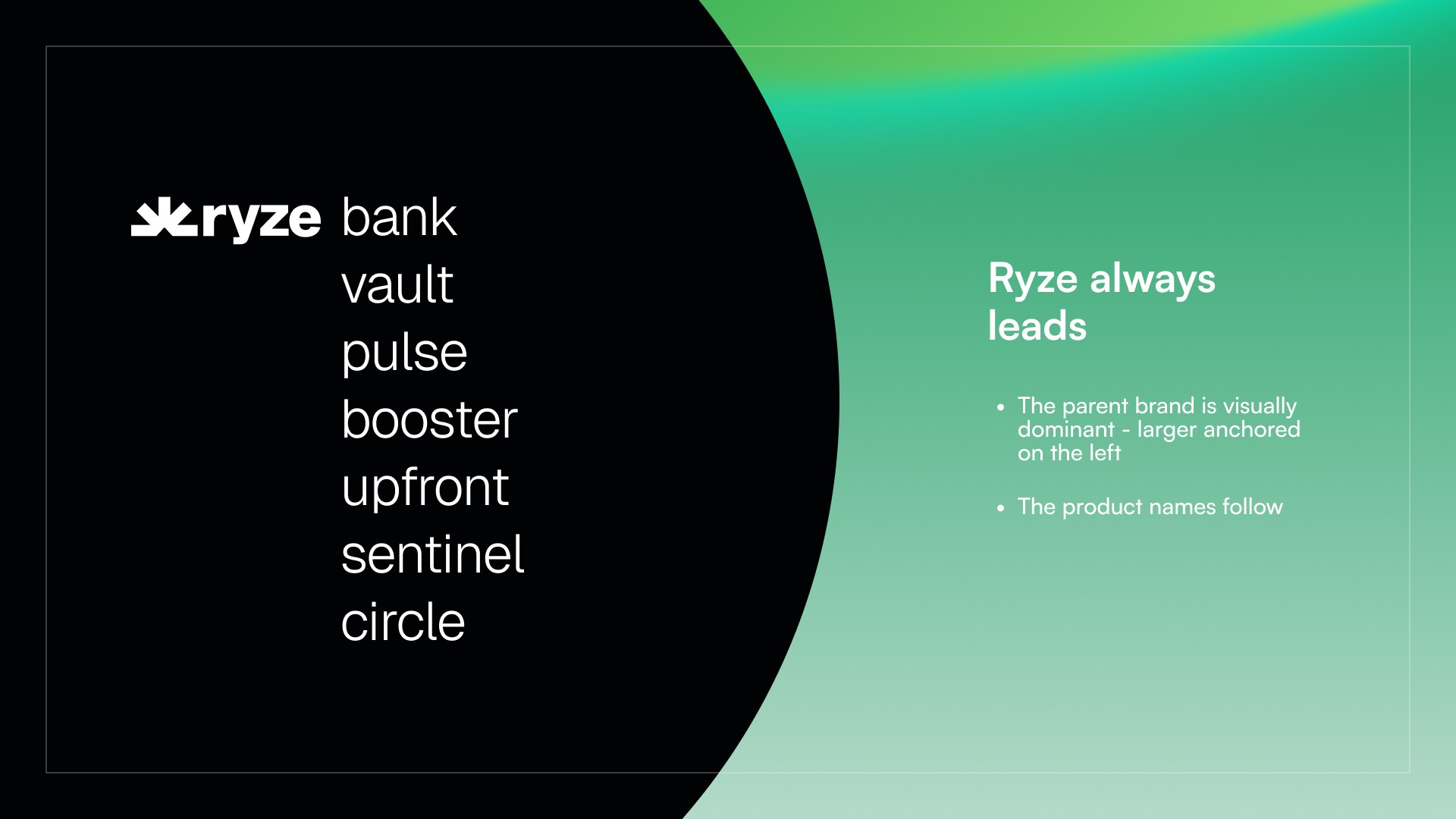
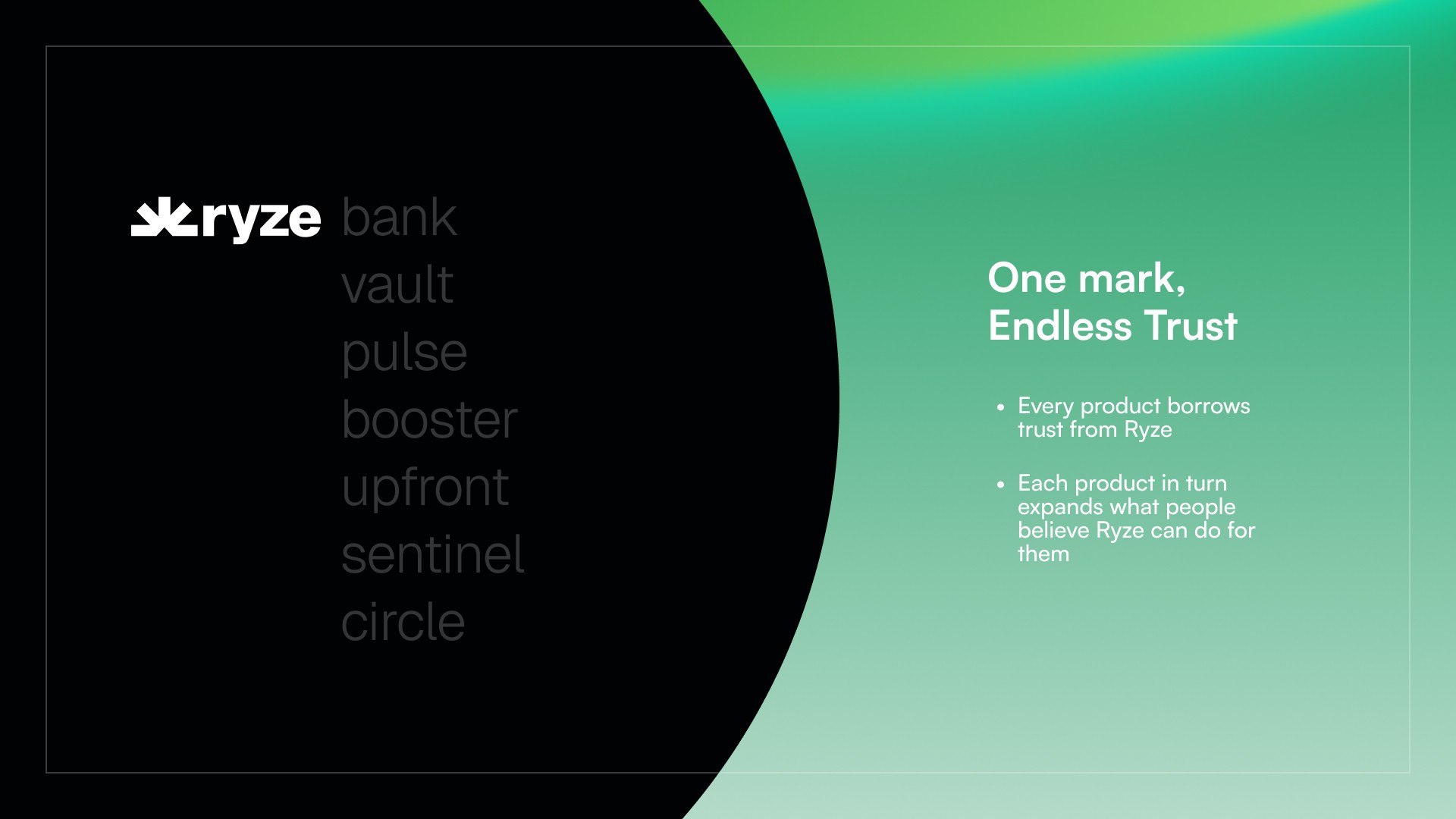
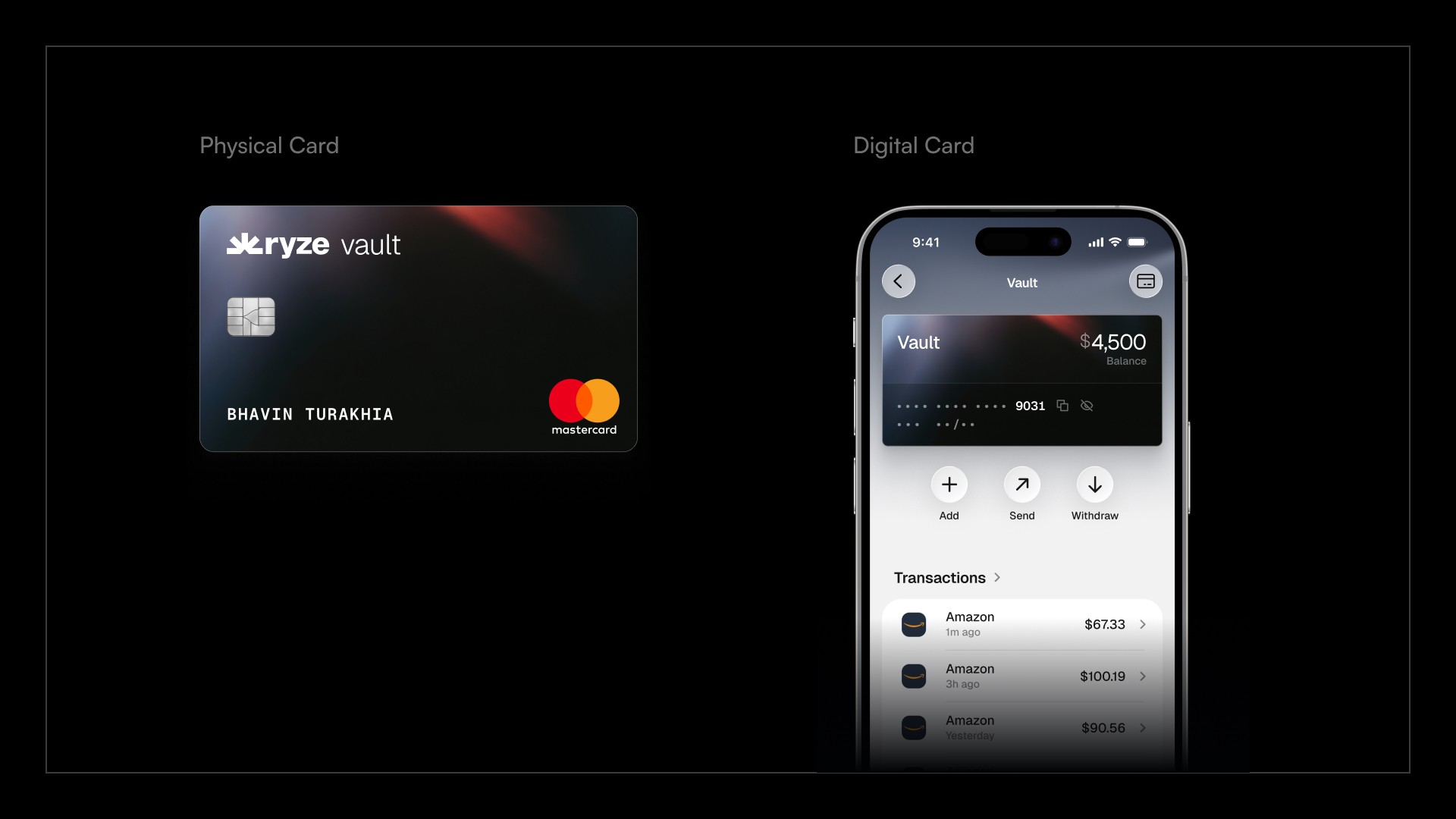
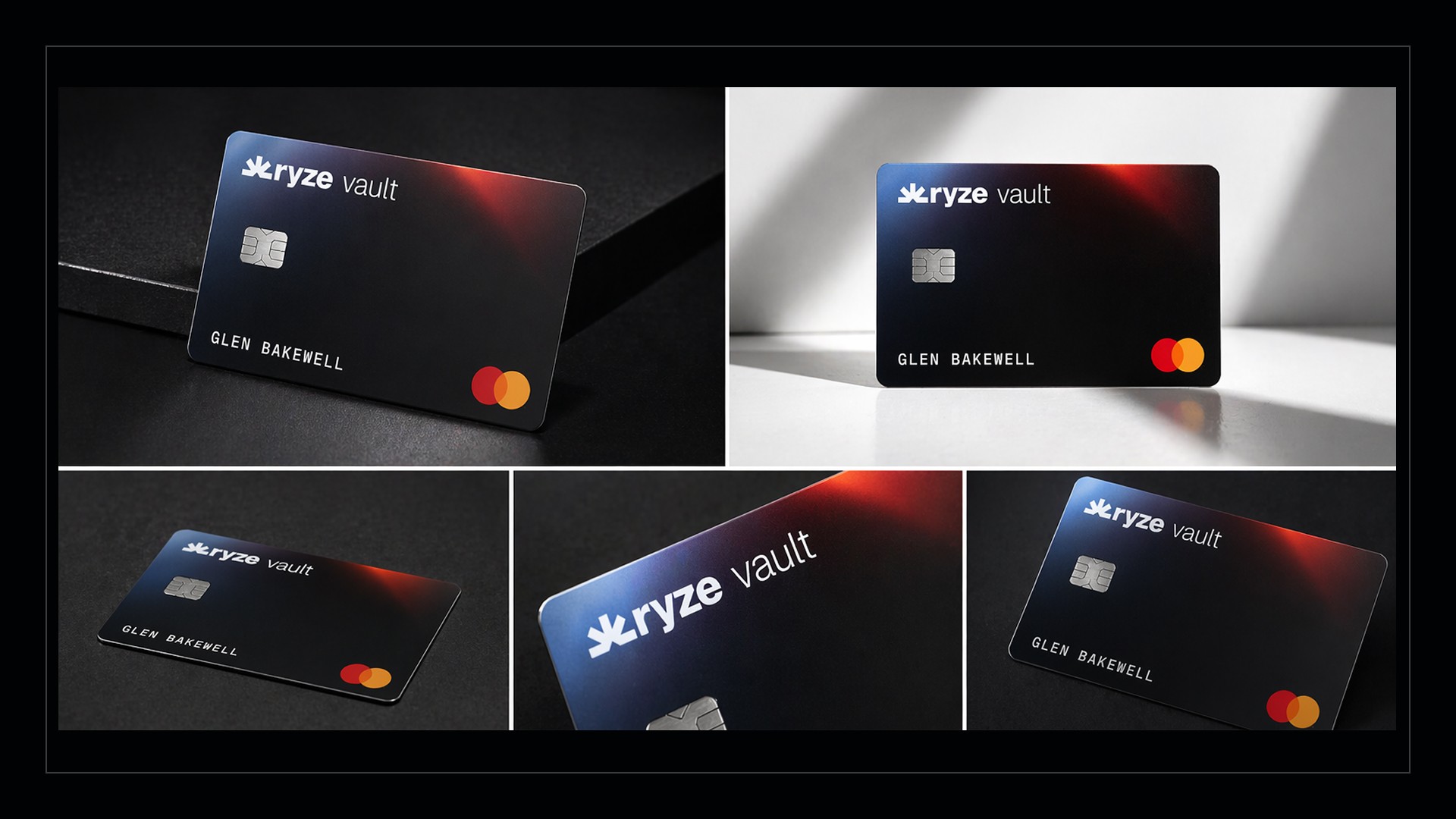
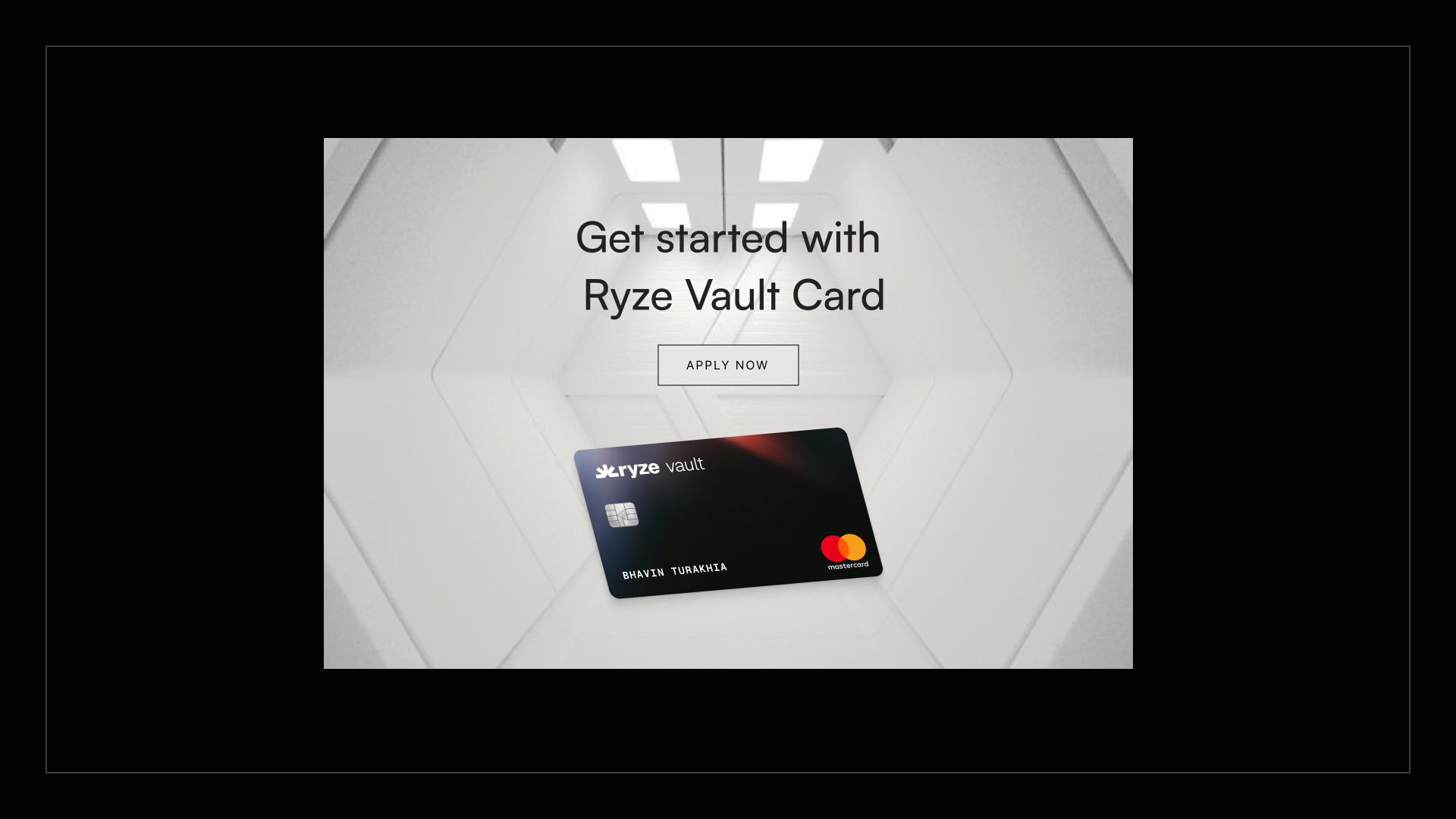
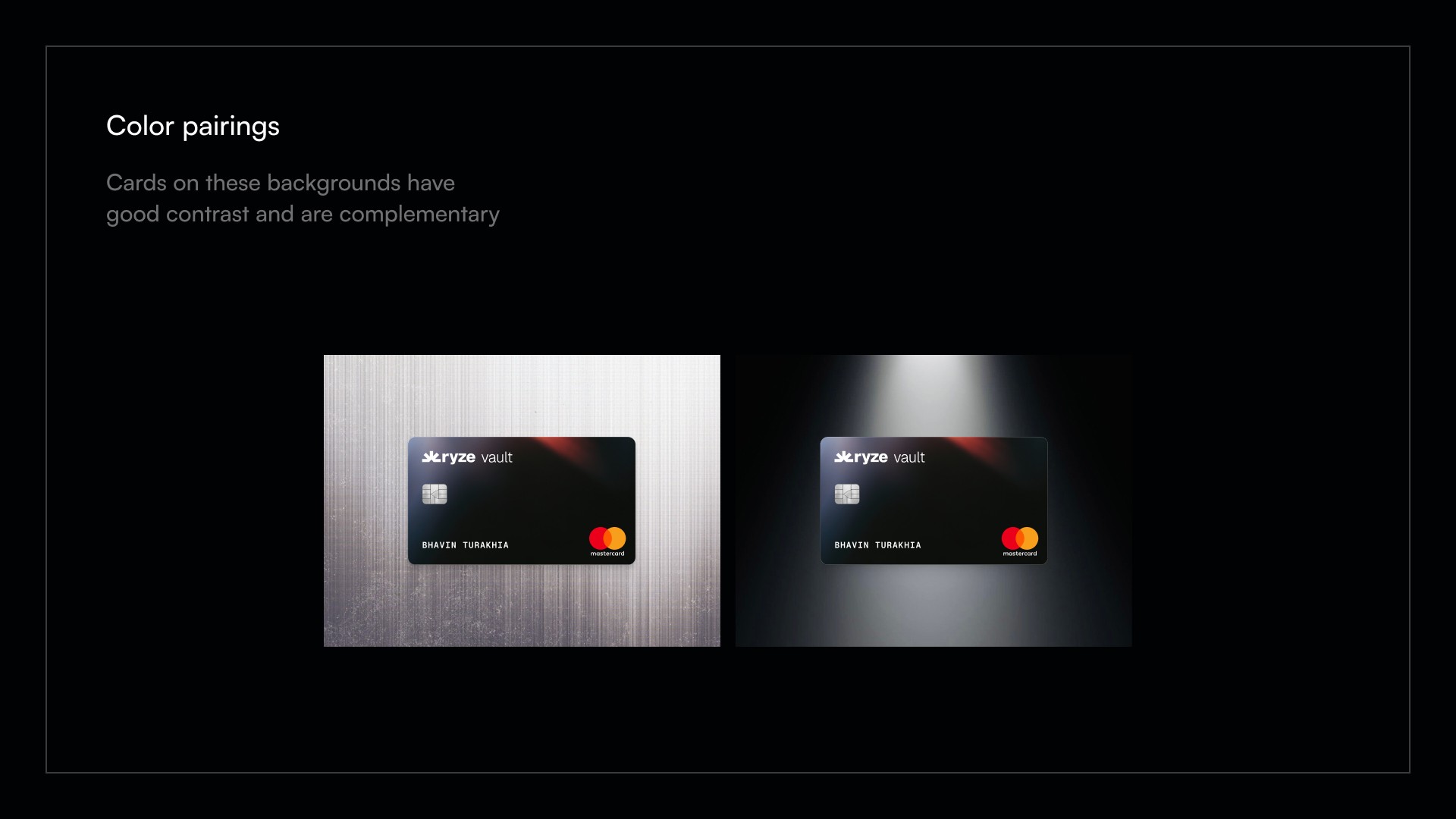
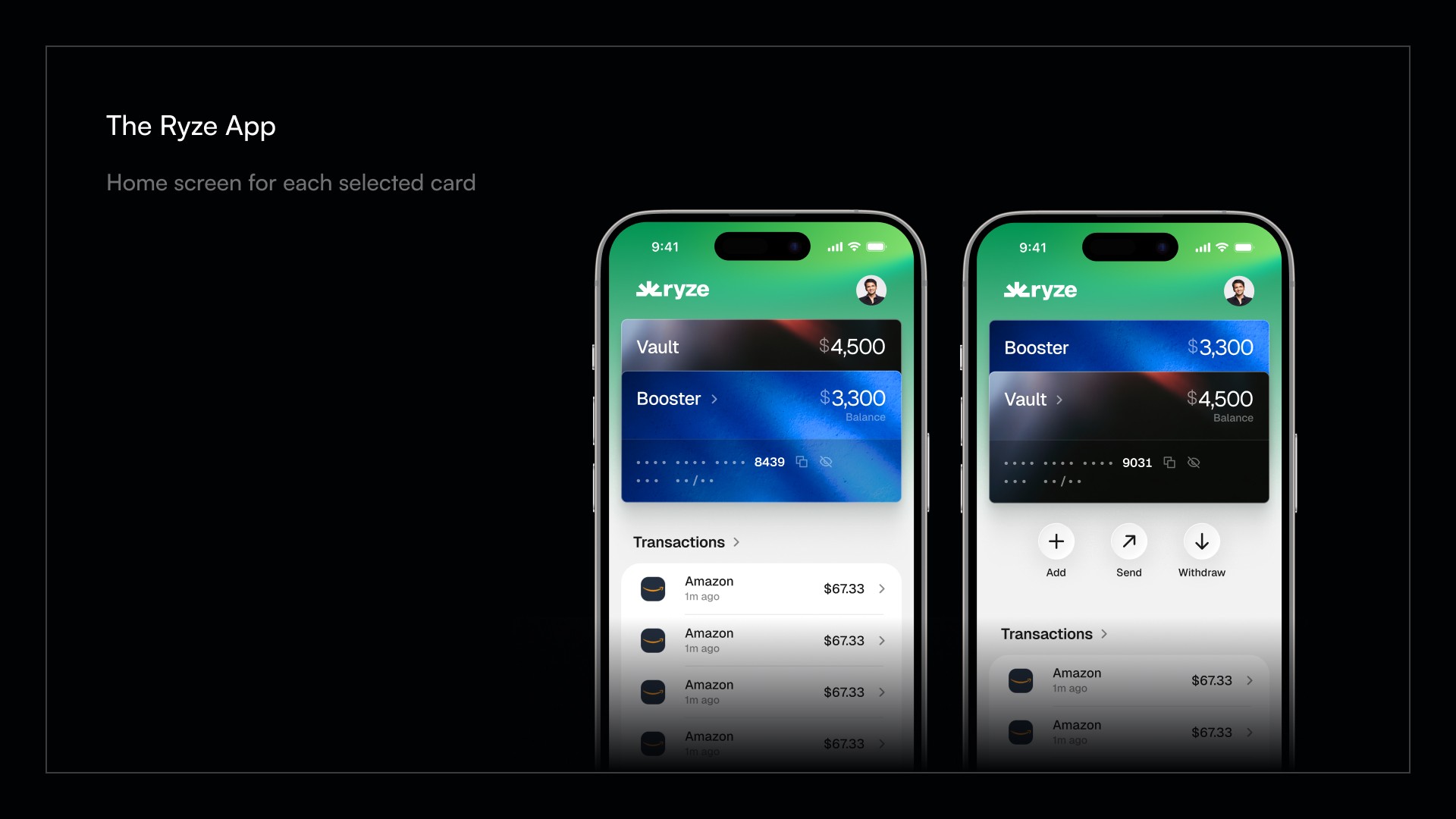
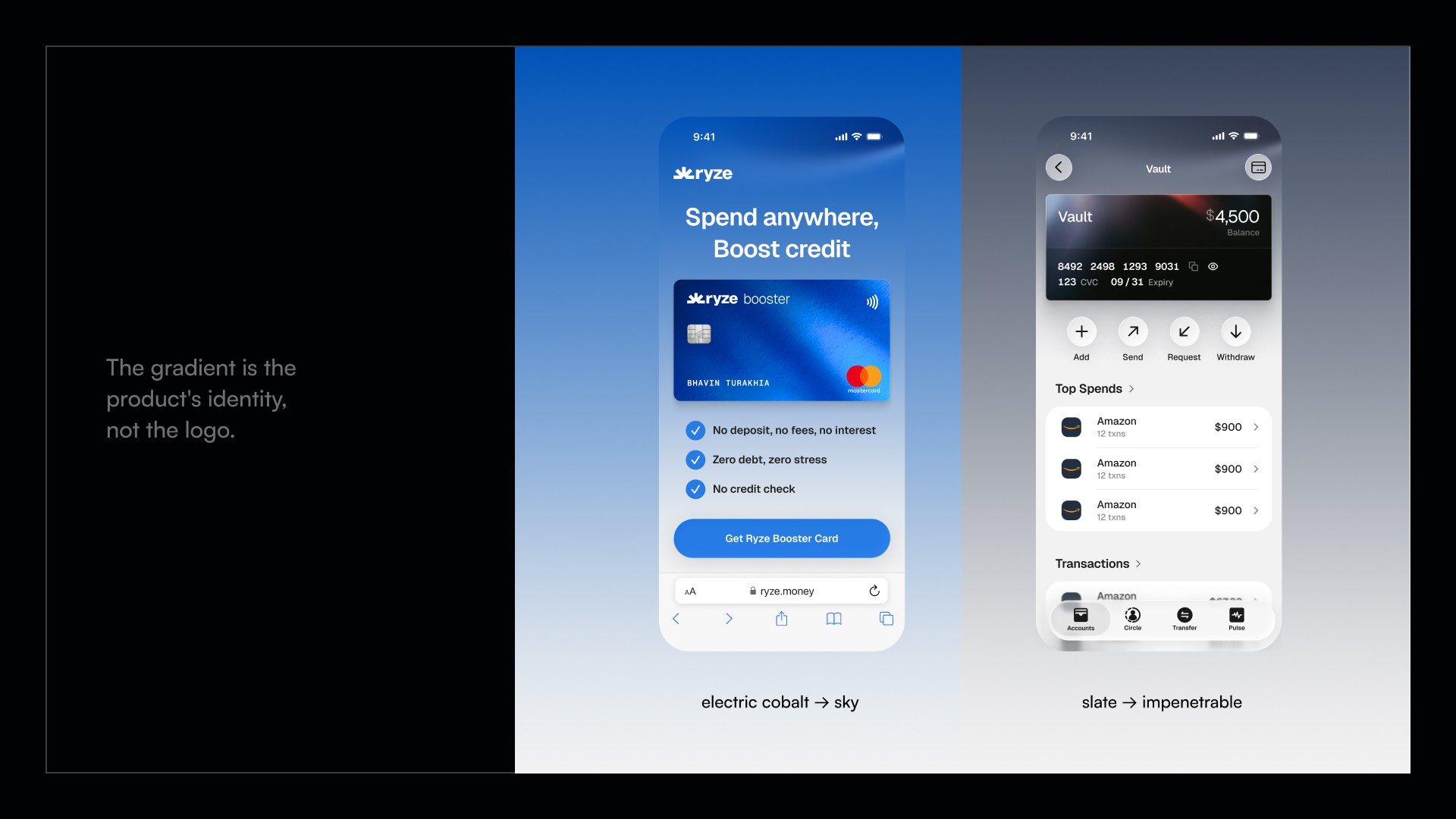
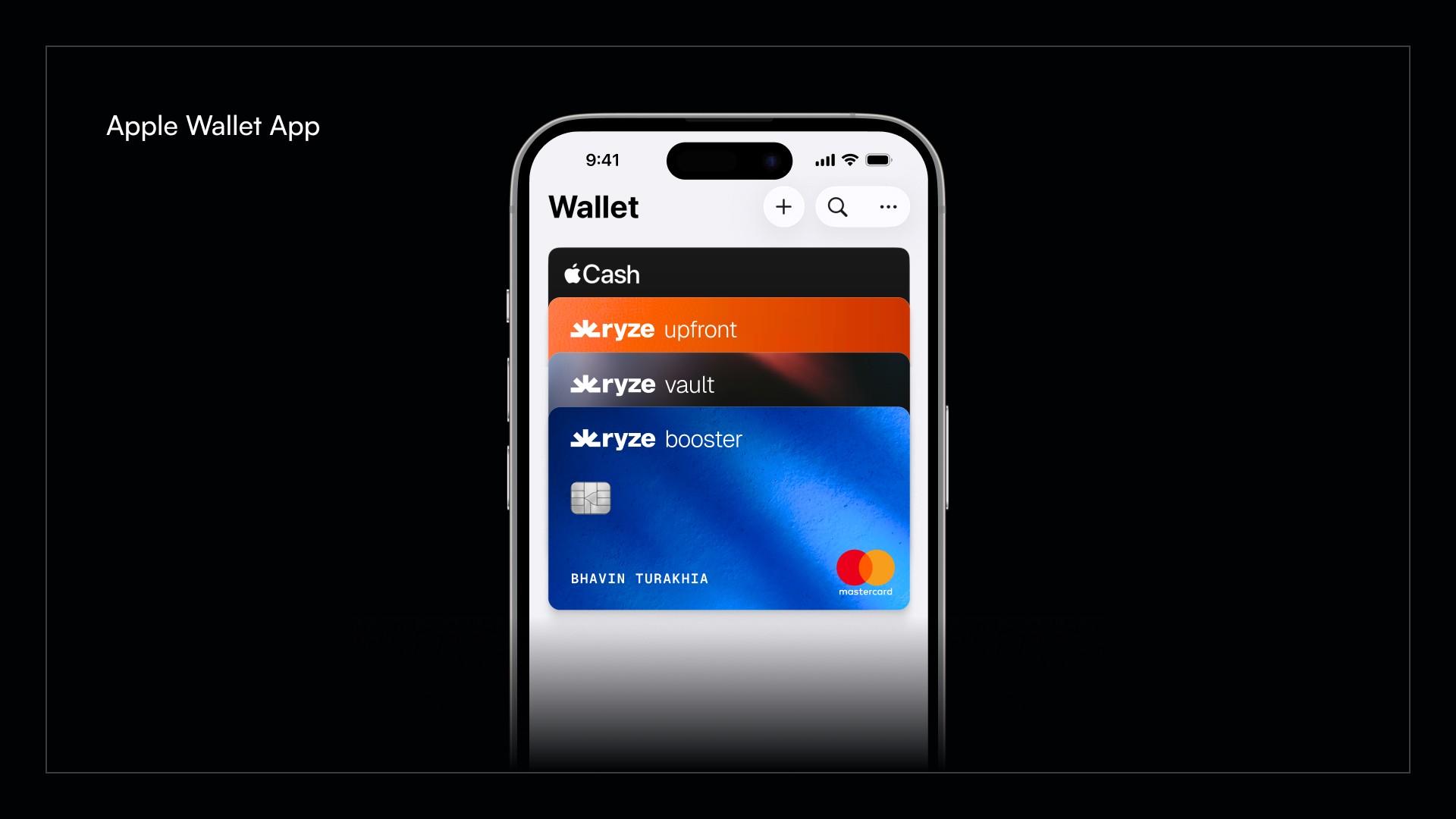
Ryze Bank Brand Identity
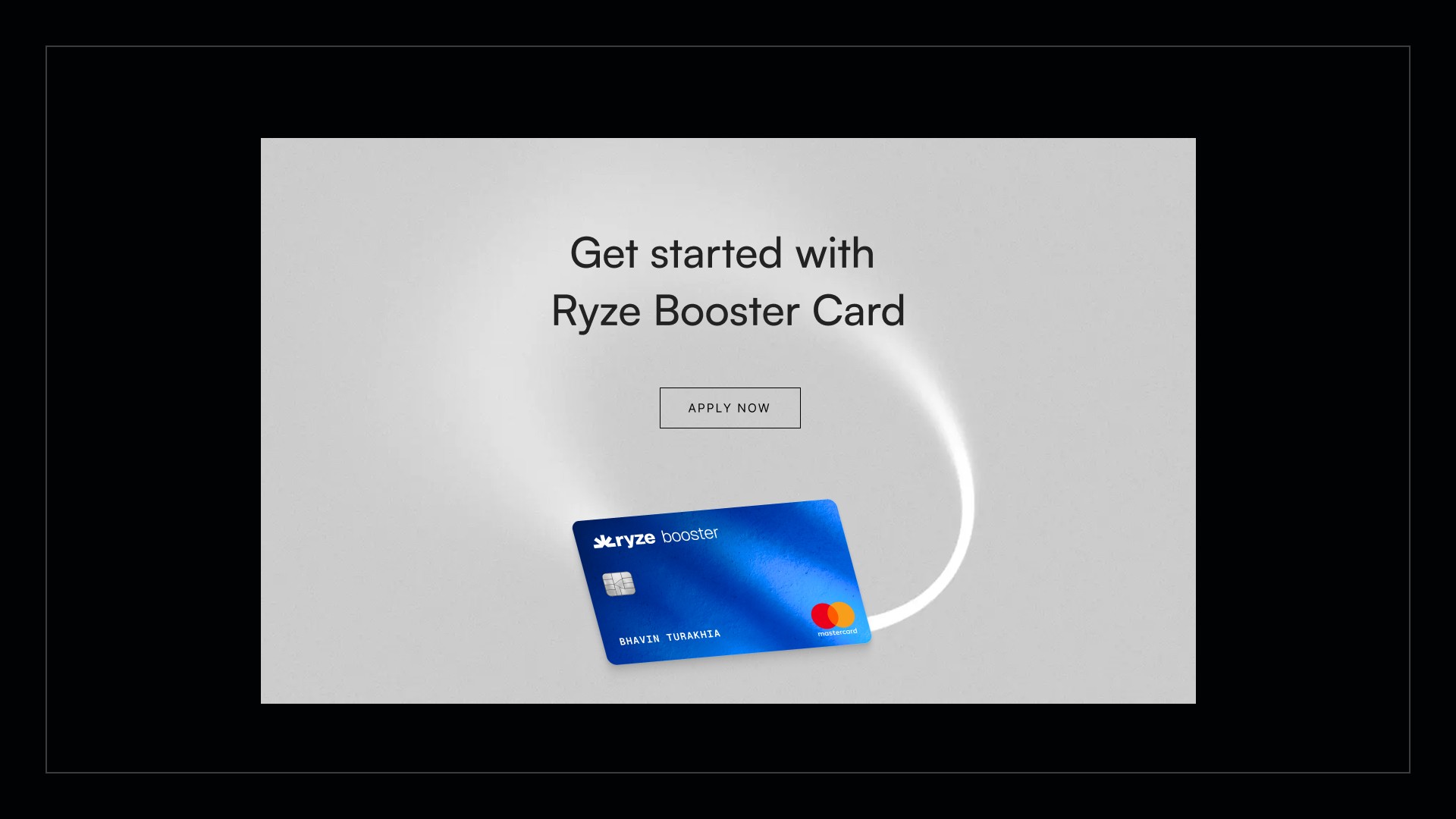
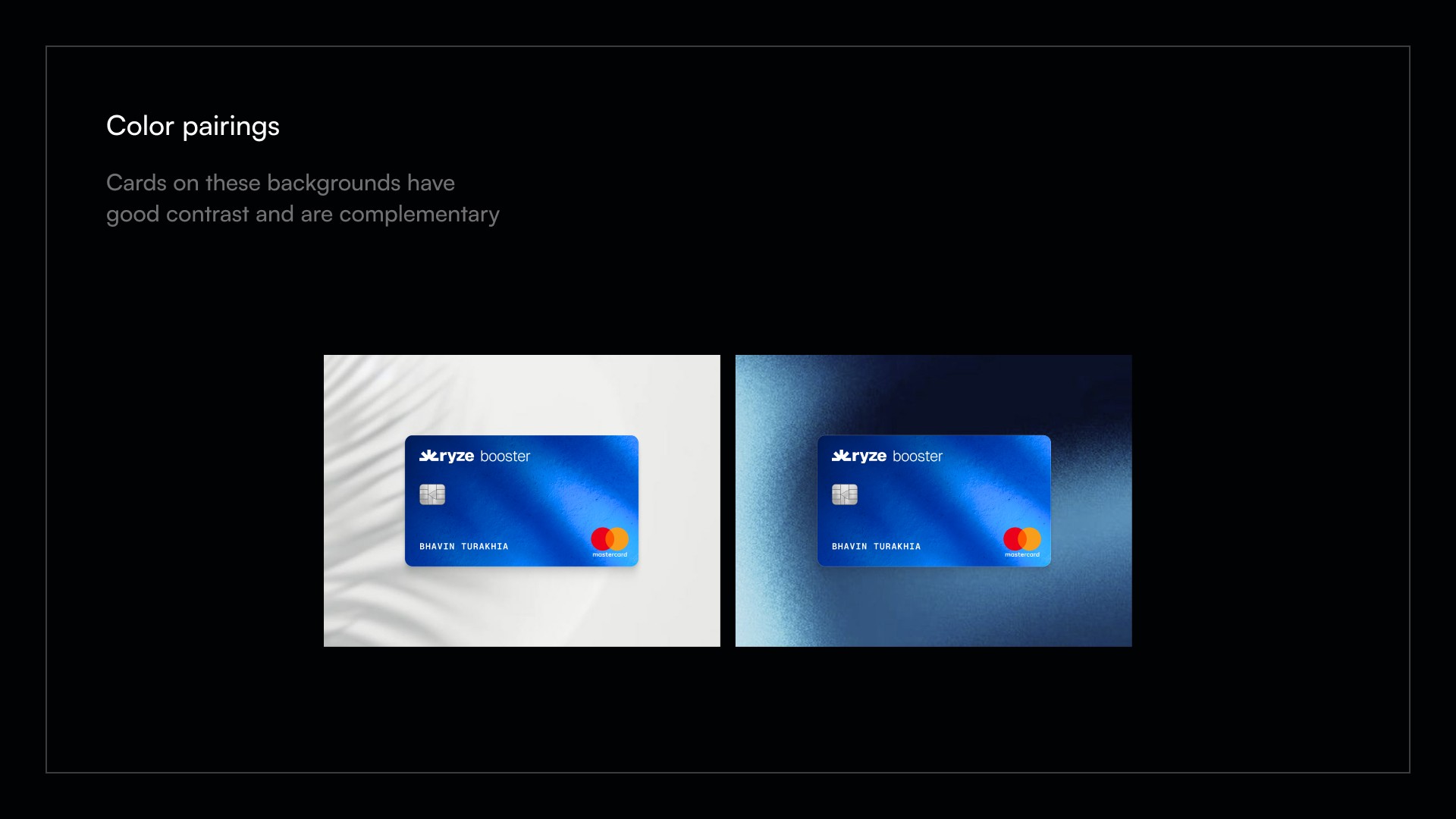
ryze booster
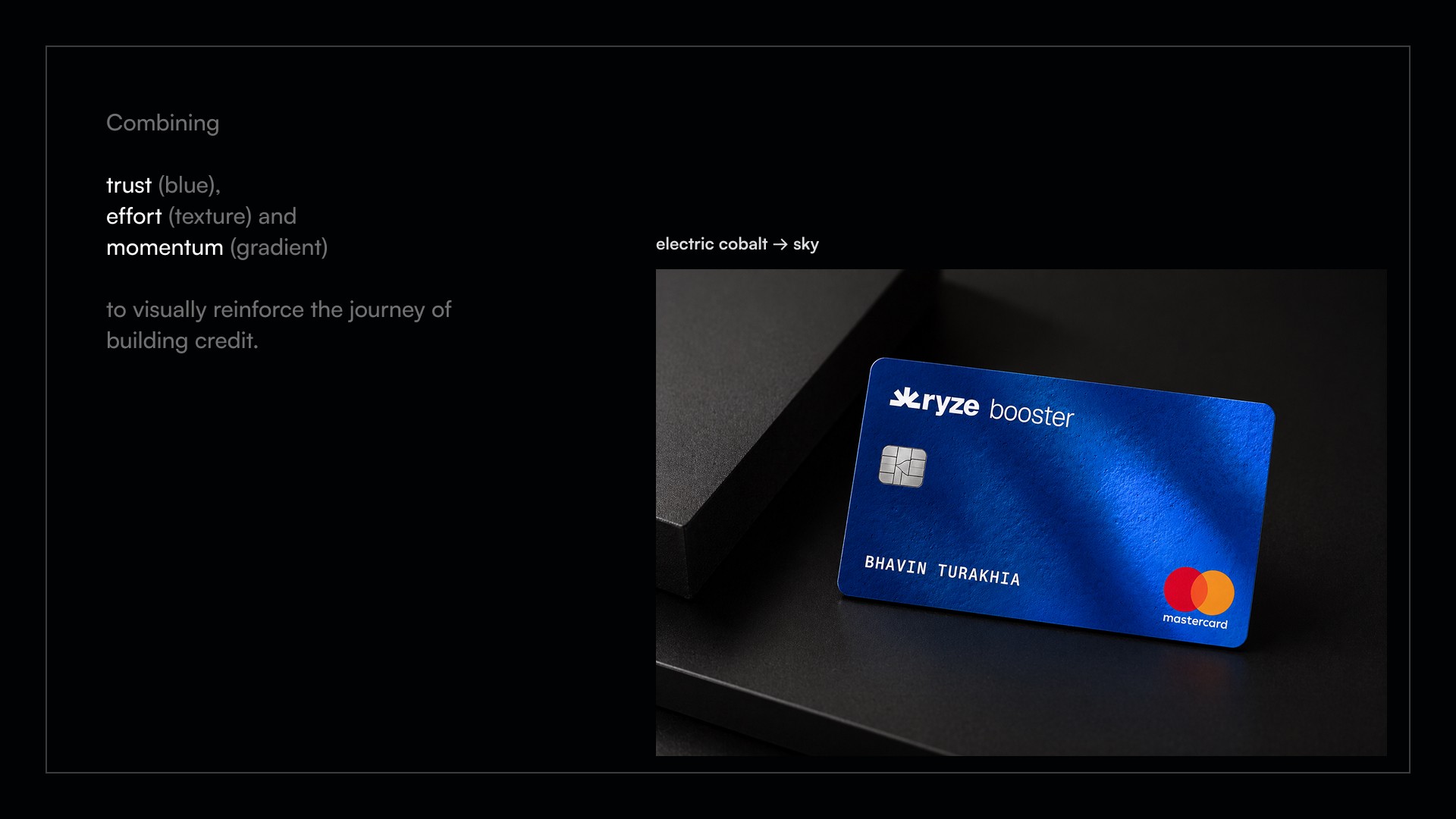
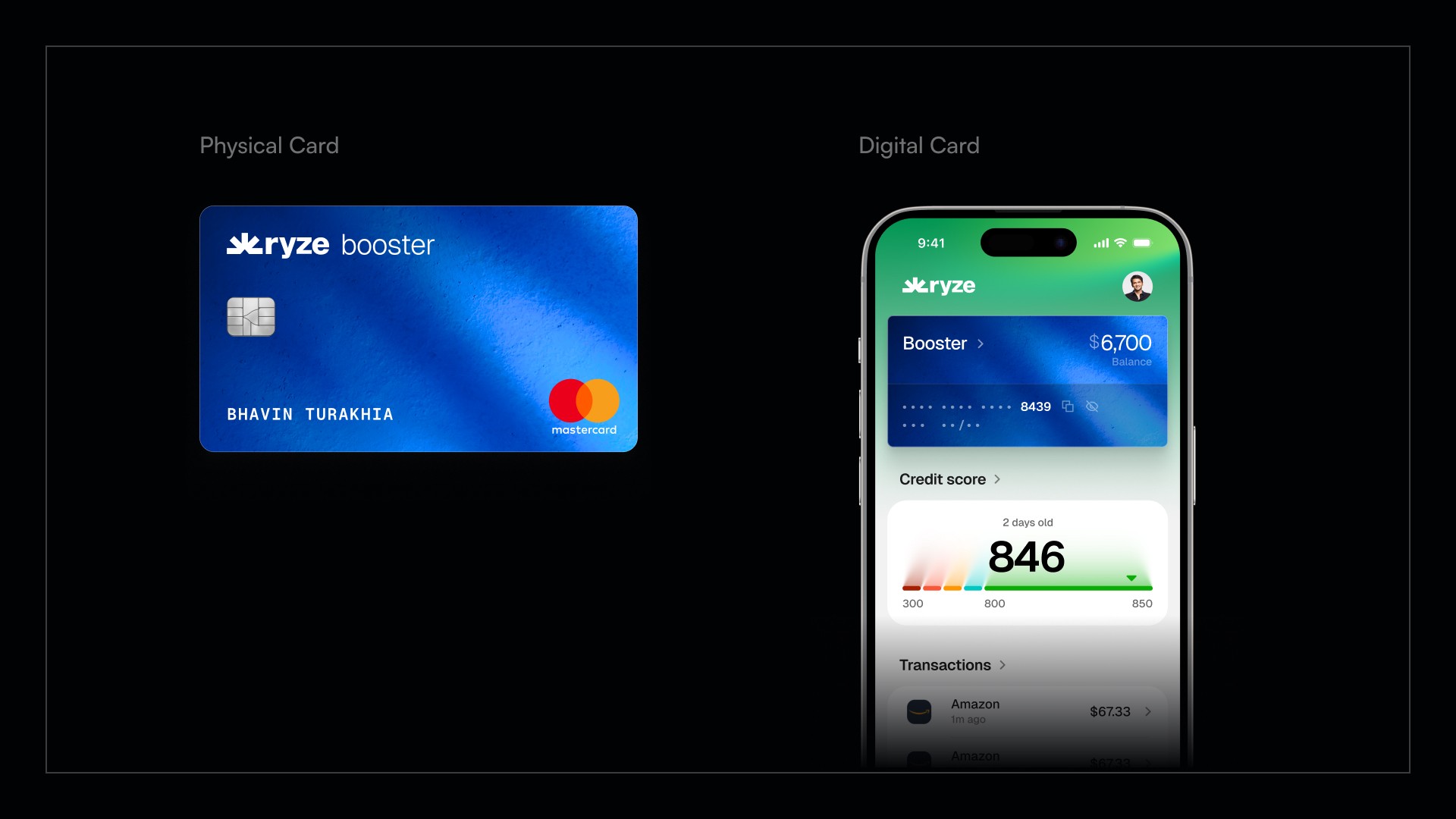
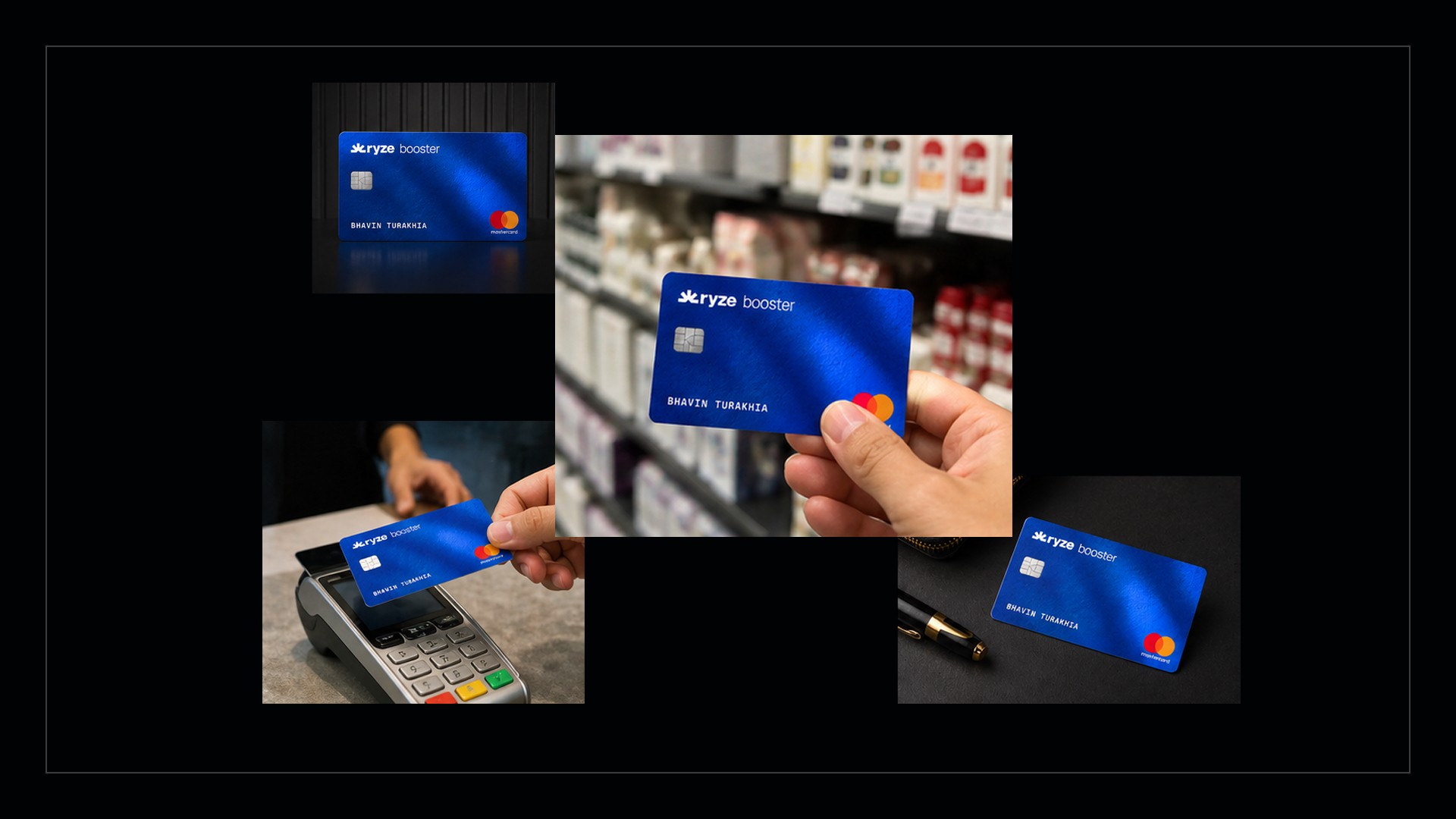
booster is a safer alternative to traditional credit cards designed for people who are new to credit or trying to rebuild it.
it works more like a smart debit-card-meets-credit-builder system. users spend normally with the card, and ryze reports responsible payment behaviour to credit bureaus to help improve credit scores over time.
so while a normal debit card does not build credit, booster helps users create a positive credit history without the risks and complexity of traditional credit cards.
App Onboarding
Prototype-Led Product Development
To move quickly between product thinking, interaction design, the Ryze One prototype was built using an AI-assisted workflow powered by Cursor.
The mobile experience was developed in Flutter for both iOS and Android, while the web platform was built using Vite. This setup enabled a shared design language and faster iteration across platforms while still allowing each experience to feel native to its environment.

To bridge the gap between design and code, we used Figma MCP connected directly with Cursor. This workflow helped translate design systems into reusable components more efficiently, reducing duplication and making it easier to maintain consistency across flows, states, and platforms.
Design & Engineering Collaboration
To keep the prototype scalable and maintainable, we worked towards a structure where the interface layer remained lightweight and presentation-focused, while business logic was abstracted into reusable services and state management layers. This separation made it easier to prototype new ideas quickly, maintain consistency across platforms, and iterate on UI without constantly restructuring core functionality.
The result was a workflow where design experimentation could happen rapidly, while engineering systems remained stable, modular, and easier to scale over time.